
U.S. Lightning Hits an Eight-Year High: What the 2025 Data Means for Critical Infrastructure
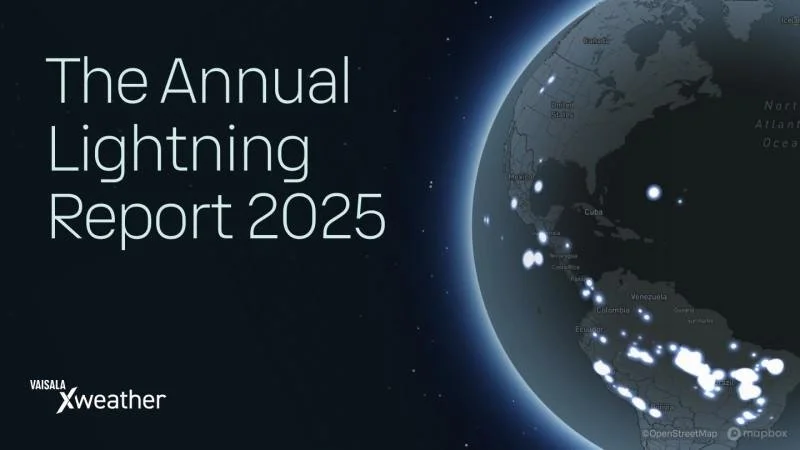
Lightning has always posed a risk to exposed infrastructure, but new data shows that this risk is increasing at an unprecedented pace. According to the Vaisala Xweather Annual Lightning Report, lightning activity across the United States reached an eight-year high in 2025, signaling a meaningful shift in both the frequency and timing of lightning events. For organizations responsible for maintaining uptime, safety, and operational continuity, these findings highlight an urgent need to reassess how lightning risk is managed.
Lightning Activity Is Increasing—and Arriving Earlier
The Vaisala report documented approximately 252 million lightning events across the United States in 2025, representing a 20 percent increase compared to the previous year. Beyond the increase in volume, the timing of lightning activity is also changing. The most active lightning day of the year occurred on April 5, 2025, well before the traditionally recognized lightning season of May through September.
This earlier onset significantly expands the period during which infrastructure is exposed to lightning risk. Facilities that historically prepared for storms later in the year may now be vulnerable weeks earlier than expected, increasing the likelihood of unanticipated damage, outages, and operational disruption.
Source: Vaisala Xweather Annual Lightning Report 2025
Where Lightning Risk Is Concentrated
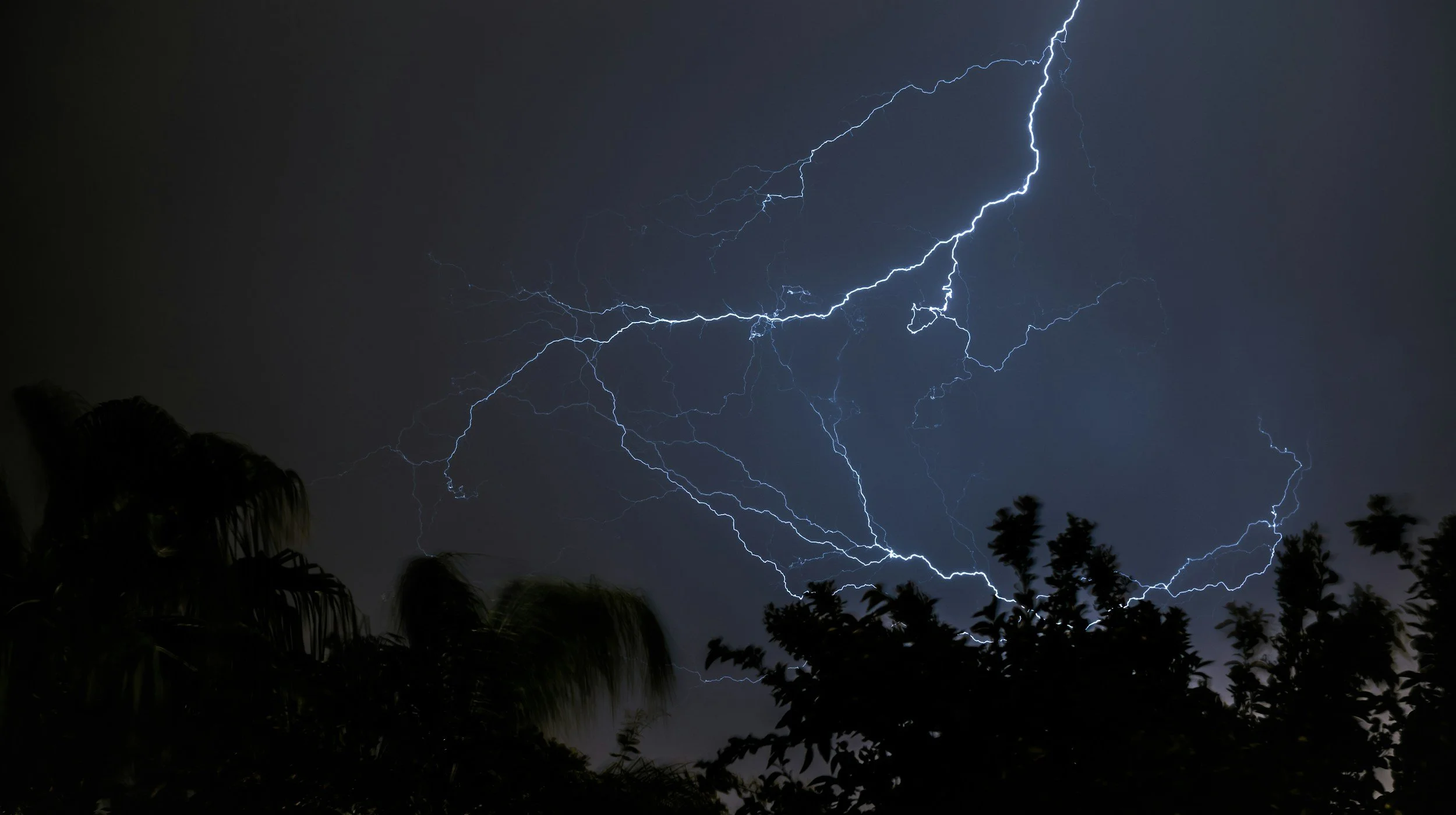
Although lightning impacts all regions of the country, the 2025 data shows clear geographic patterns. Texas recorded the highest total number of lightning events, largely due to its size and storm frequency. Florida continued to lead in lightning density, meaning it experienced the most lightning strikes per square mile. Notably, Oklahoma emerged as the new lightning capital of the United States, surpassing states that have historically held that title.
These high-risk regions overlap heavily with industries that rely on tall, exposed, or electrically sensitive infrastructure. Energy production facilities, telecommunications towers, data centers, renewable energy assets, and agricultural operations are often located in areas with elevated lightning activity, increasing their vulnerability to strike-related damage.
The Real-World Impact on Infrastructure
Lightning-related damage extends far beyond a single momentary strike. In 2025, lightning activity contributed to widespread disruptions across multiple sectors. Communications outages affected both public and private networks, while renewable energy installations—particularly wind turbines—experienced a growing number of lightning-related incidents. Industry analysis suggests that nearly one-third of U.S. wind turbines were struck by lightning during the year, leading to costly repairs and downtime.
Public infrastructure has also felt the impact. Lightning-related delays and evacuations occurred at major outdoor venues, while emergency response systems faced interruptions following strikes on communications towers. In one recent example, a lightning strike on a public-safety cell tower resulted in nearly $100,000 in repair costs and temporarily disrupted emergency communications—underscoring how a single strike can quickly escalate into a major operational and safety issue.
Why Traditional Lightning Protection Is Being Reconsidered
For decades, lightning protection strategies have relied primarily on reactive systems such as lightning rods, grounding networks, and surge protection devices. These systems are designed to manage lightning energy once a strike occurs by providing a controlled path to ground. While they remain an important component of overall protection, increasing lightning activity is revealing their limitations.
Reactive systems do not prevent lightning from forming, nor do they eliminate the electromagnetic effects that can damage sensitive electronics. After a strike, inspections, repairs, downtime, and insurance claims are often unavoidable. As lightning becomes more frequent and unpredictable, many organizations are questioning whether damage mitigation alone is sufficient.
A Shift Toward Preventive Lightning Protection
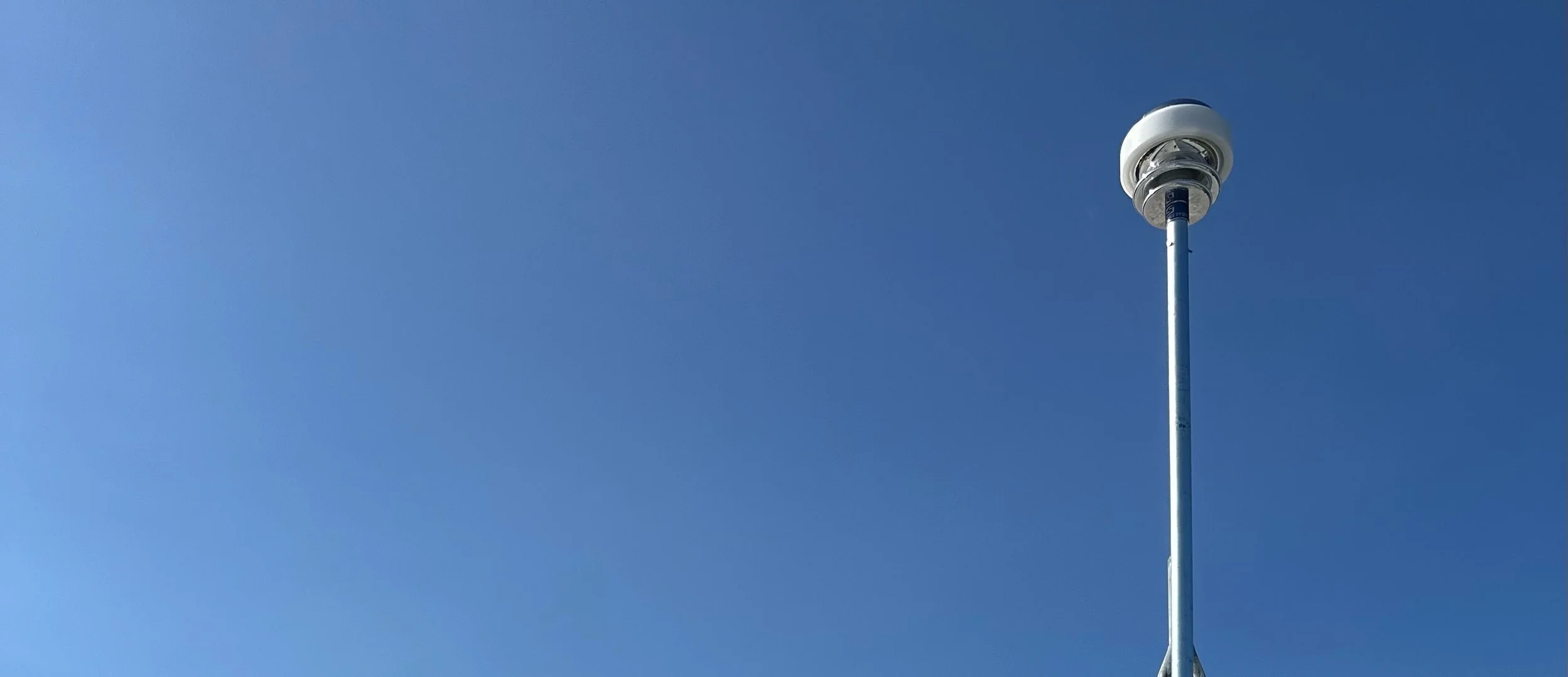
In response to these challenges, industries are increasingly exploring preventive approaches to lightning protection. One such solution is CMCE (Charge Migration Controlled Emission) technology. Rather than waiting for lightning to strike, CMCE devices work by continuously balancing the electro-atmospheric field around a structure. By absorbing and dissipating excess electrical charges as harmless milliamperes into the ground, CMCE reduces the conditions necessary for lightning formation.
This process suppresses the development of upward streamers—the electrical precursors that attract lightning strikes. Because CMCE operates passively, it requires no external power, contains no moving parts, and provides continuous protection in both fair weather and storm conditions. The result is a proactive layer of defense that helps reduce the likelihood of lightning strikes, fires, equipment damage, and operational downtime.
What the 2025 Lightning Data Tells Us About the Future
The findings from the Vaisala report make one conclusion clear: lightning risk is no longer confined to a predictable season or limited to traditional hotspots. Lightning activity is increasing, expanding geographically, and beginning earlier each year. For operators of oil and gas facilities, telecommunications networks, data centers, renewable energy assets, and public safety infrastructure, this trend represents a growing operational and financial risk.
Organizations that continue to rely solely on reactive protection may find themselves increasingly exposed as storm patterns evolve. Those that adopt preventive strategies are better positioned to maintain uptime, protect assets, and safeguard personnel in an increasingly electrified environment.
Preparing for a More Electrified Future
As infrastructure grows more complex and interconnected, lightning protection strategies must evolve alongside it. The 2025 lightning data serves as both a warning and an opportunity. By understanding emerging risk patterns and embracing preventive technologies, organizations can move from reacting to lightning damage to actively reducing the likelihood of strikes altogether.